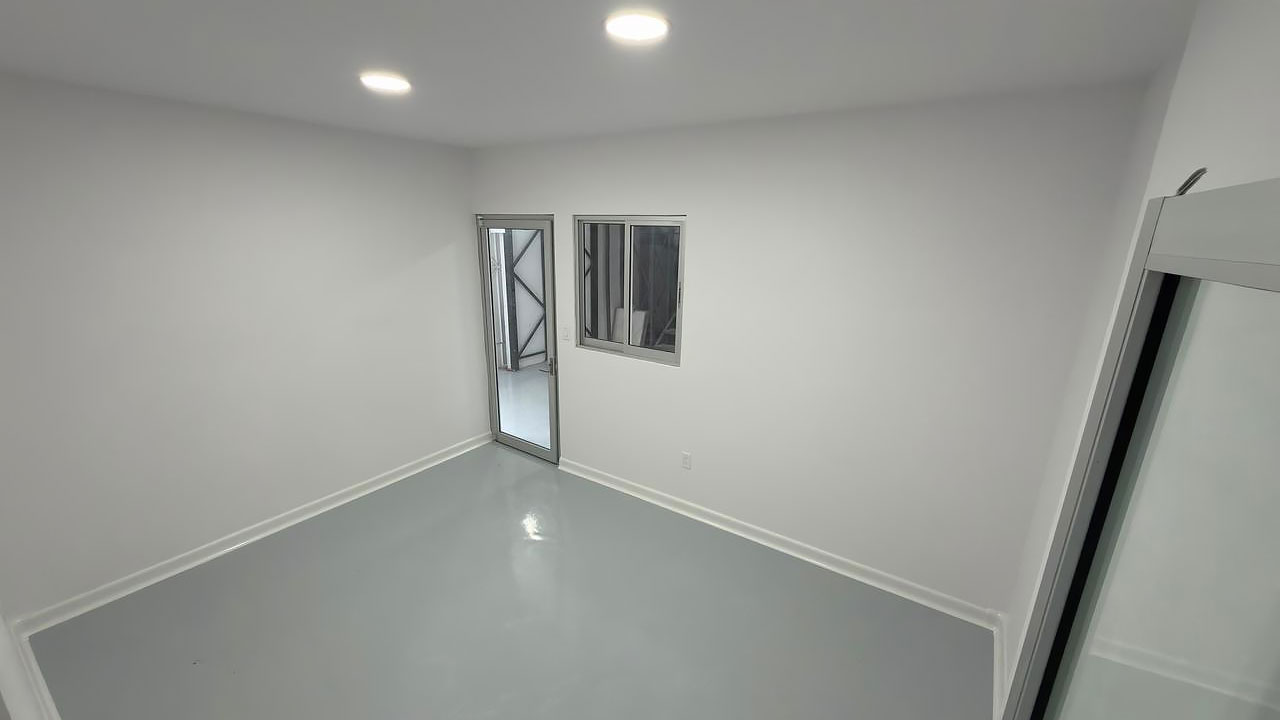
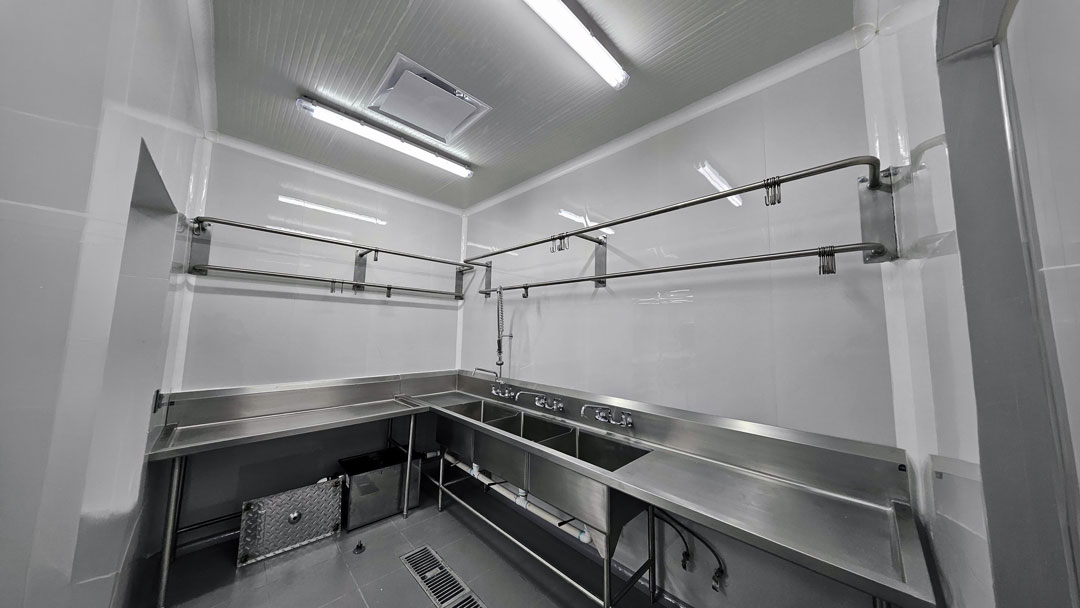
By The Panelmart Engineering Team | Fact-Checked & Updated: April 2026 What is The Difference Between Flexible Rubber Cove Base And Rigid PVC Sanitary Cove Base? Quick Answer: A traditional flexible rubber cove base fails in commercial environments because it is…
FDA-Compliant Sanitary Profiles
Panelmart’s FDA compliant cove base category centralizes the resources you need to specify, install, and document sanitary profiles that satisfy federal and state inspectors. The articles below cover food facility coving requirements across commercial kitchens, food processing plants, and cold storage facilities. They translate dense regulatory language into clear specification decisions.
What Federal Sanitation Standards Actually Require
FDA Food Code 6-201.13 mandates a coved, sealed juncture between floors and walls, with a 3/8-inch minimum radius. Furthermore, USDA FSIS sanitation performance standards apply to all federally inspected meat, poultry, and egg facilities. They require easily cleanable floor-to-wall surfaces. In addition, HACCP plans frequently identify the floor-wall juncture as a critical control point. As a result, an HACCP compliant cove base is no longer optional — it’s an audit checkpoint. The articles below explain how rigid PVC sanitary cove base satisfies all three frameworks simultaneously. For a foundational primer, read our overview of rigid PVC sanitary cove base systems. For the federal regulation that anchors most state codes, our breakdown of FDA Food Code 6-201.13 walks through every requirement.
Why Common Materials Fail Health Inspections
Health inspectors routinely flag peeling rubber baseboard, cracked epoxy cove, and grout-lined tile. These materials trap moisture and bacteria. Consequently, what looks compliant on day one often fails within months. Equally important, certifications can mislead specifiers. NSF certification and FDA Food Code compliance are not interchangeable — a misunderstanding that costs contractors warranty callbacks and re-installations. Our deep-dive on NSF vs. FDA Food Code compliance clarifies what local health inspectors actually verify during walkthroughs. The articles below also document the USDA compliant sanitary base specification path. They show why rigid PVC outperforms legacy materials across federal jurisdictions.
- Curved 4-inch profile that exceeds the FDA Food Code 3/8-inch minimum radius requirement
- Mechanically fastened — no adhesive failure, no silicone breakdown, no warranty callbacks
- USDA FSIS sanitation-friendly: easily cleanable, no porous surfaces, no bacterial harborage points
- HACCP-ready documentation: consistent geometry, traceable batches, repeatable installation method
- Withstands standard hot water washdowns and frequent commercial cleaning routines
Explore the articles below for federal, state, and inspection-specific compliance guides. Or contact Panelmart for a project-specific spec. WhatsApp: +1 786 917 8106.
Rigid PVC vs. Quarry Tile Cove Base: The Hidden Danger of Grout Lines
By The Panelmart Engineering Team | Fact-Checked & Updated: April 2026 Why is My Quarry Tile Cove Base Growing Mold in The Grout Lines? Quick Answer: While a quarry tile cove base is highly durable, it relies on porous grout to hold the tiles together. Standard…
Stop Hiring Specialized Subcontractors: The “Plug & Play” Snap-On Cove Base System for FRP Walls
By The Panelmart Engineering Team | Fact-Checked & Updated: April 2026 How a Snap-On Cove Base System Cuts Commercial Kitchen Baseboard Installation Costs? Quick Answer: General Contractors can significantly reduce commercial kitchen baseboard installation costs…
FRP Panels to Floor: The Ultimate Guide to 3/8 Inch Radius Coving for Commercial Kitchens
By The Panelmart Engineering Team | Fact-Checked & Updated: April 2026 How to Meet the 3/8-Inch Minimum Radius Cove Base Rule? Quick Answer: To legally connect FRP wall panels to a commercial floor, contractors must install a continuous cove base that features a…
Why “Peel and Stick” Baseboards Fail Food Facility Cove Base Requirements (And What to Use on FRP Walls)
By The Panelmart Engineering Team | Fact-Checked & Updated: April 2026 Why Do Peel and Stick Baseboards Fail Food Facility Health Inspections? Quick Answer: Peel and stick vinyl baseboards fail food facility cove base requirements because commercial hot-water…
How to Achieve “Easily Cleanable Floor-to-Wall Junctures” on FRP Walls Using Rigid PVC Sanitary Coving
By The Panelmart Engineering Team | Fact-Checked & Updated: April 2026 What “Easily Cleanable Junctures” Really Means for Commercial Floors and Walls Quick Answer: When health inspectors mandate easily cleanable junctures, they require floor-to-wall…
FDA Food Code 6-201.13 Explained: The Universal Rule for Coved Floor & Wall Junctures
By The Panelmart Engineering Team | Fact-Checked & Updated: April 2026 What Does FDA Food Code 6-201.13 Require For Floor-to-Wall Junctures in Food Facilities? Quick Answer: FDA Food Code 6-201.13 requires every commercial food facility in the United States to…
CalCode Cove Base Requirements: How to Guarantee Compliance on FRP Wall Panels in California
By The Panelmart Engineering Team | Fact-Checked & Updated: April 2026 What Are The Cove Base Requirements Under California Retail Food Code Section 114268? Quick Answer: California Retail Food Code Section 114268 mandates a minimum 3/8-inch radius at every…

NSF Certification vs. FDA Compliance: What Your Local Health Inspector Actually Cares About
By The Panelmart Engineering Team | Fact-Checked & Updated: April 2026 Do Sanitary Baseboards Need to Be NSF Certified for a Health Inspection? Quick Answer: NSF certified baseboards do not exist as a legal requirement. NSF International is a private organization…
How to Pass Florida DBPR Plan Review: The Ultimate Guide to Sanitary Coving
By The Panelmart Engineering Team | Fact-Checked & Updated: April 2026 What Does Florida DBPR Require for Floor-to-Wall Junctures in Food Facilities? Quick Answer: To pass a Florida DBPR plan review, food facilities must eliminate the risk of water pooling at…