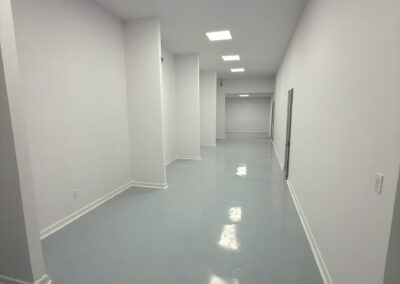
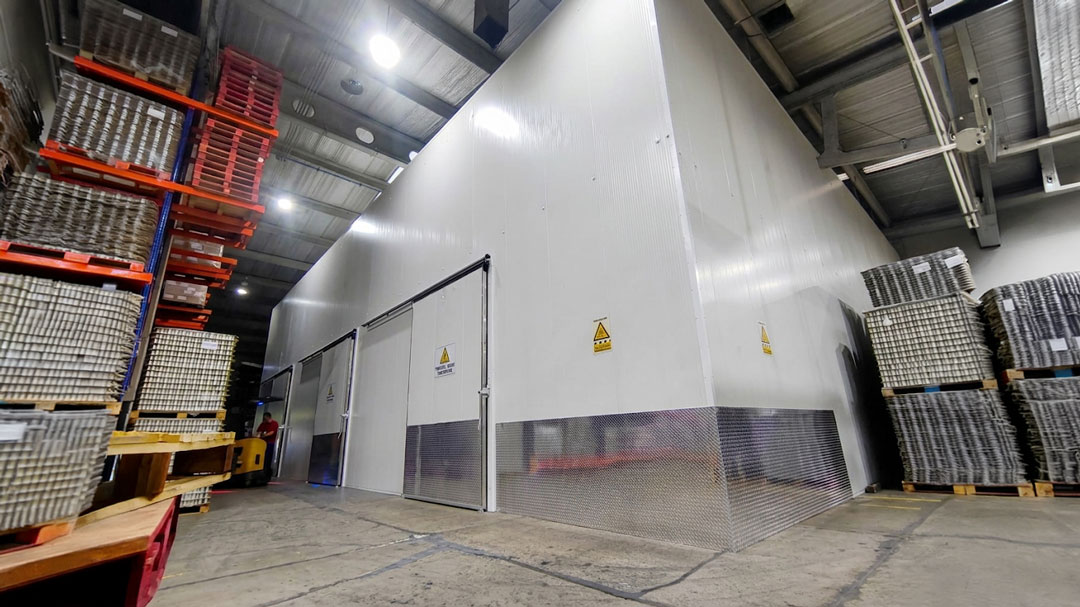
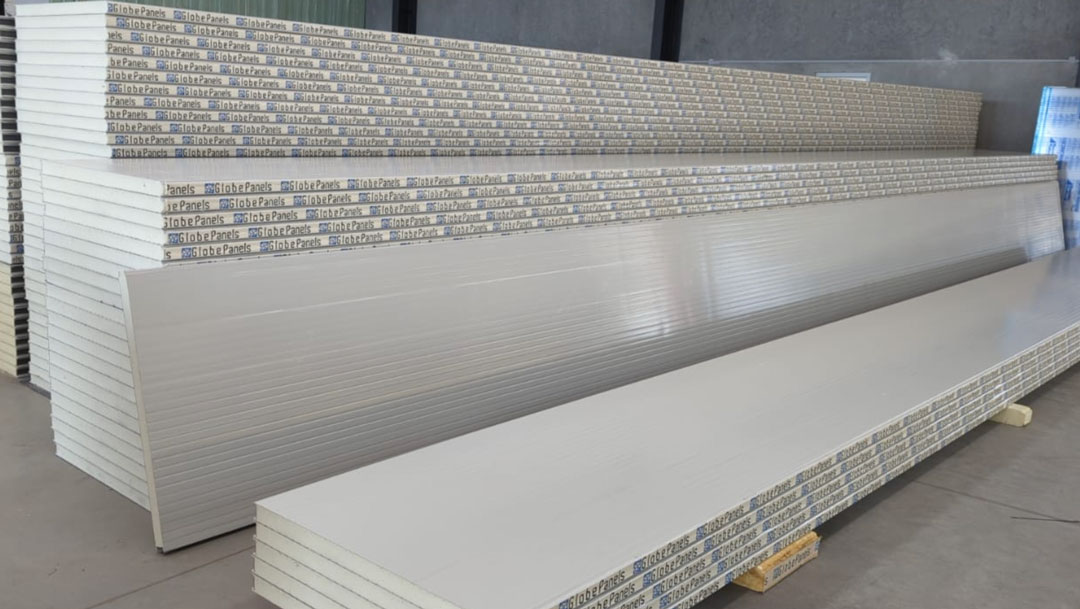
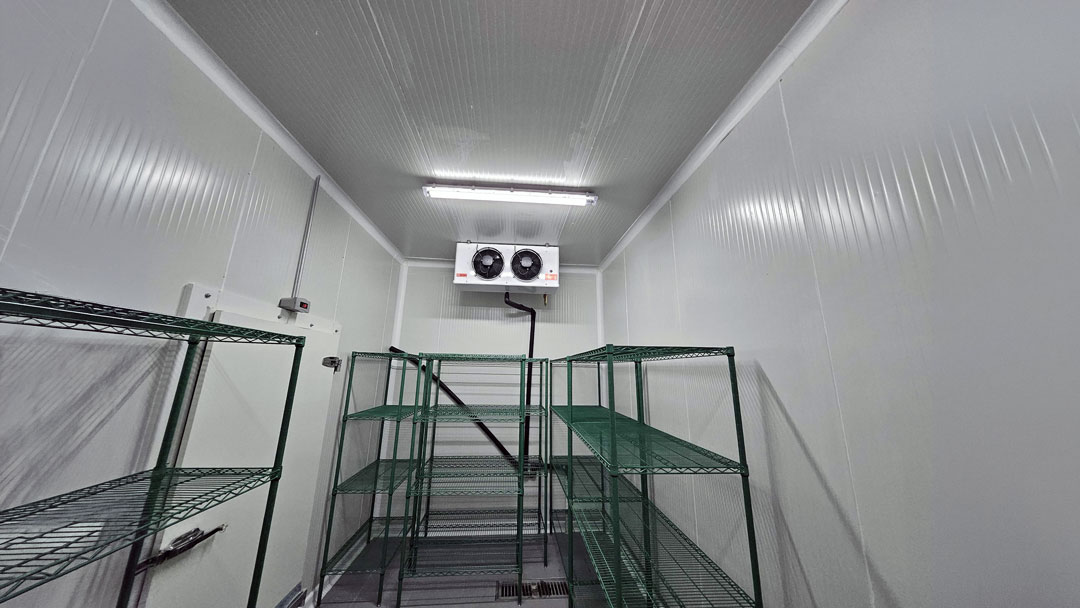
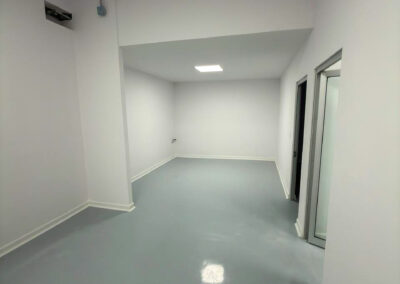
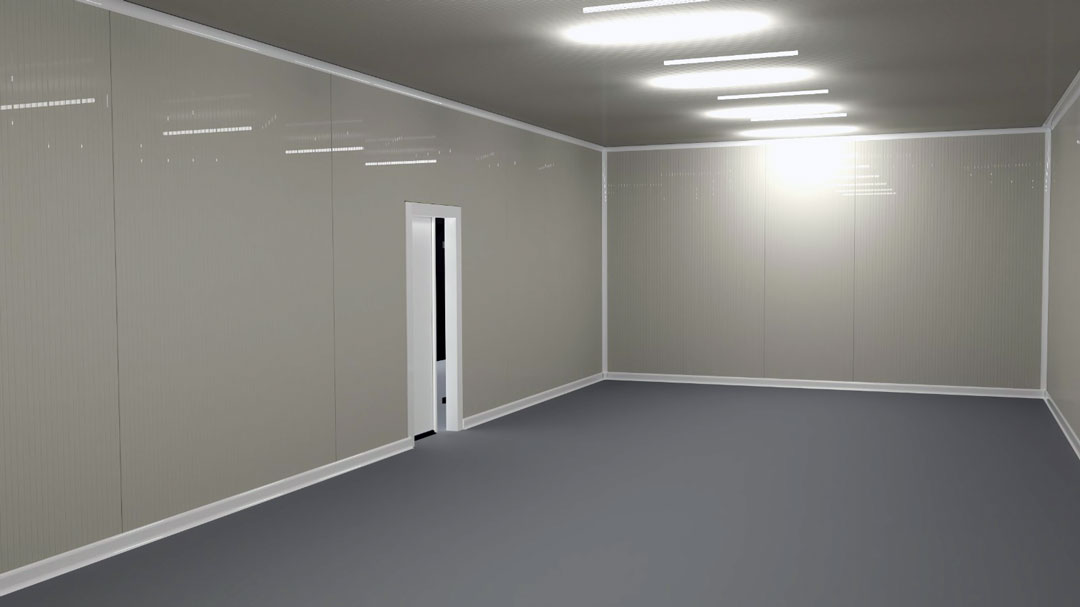
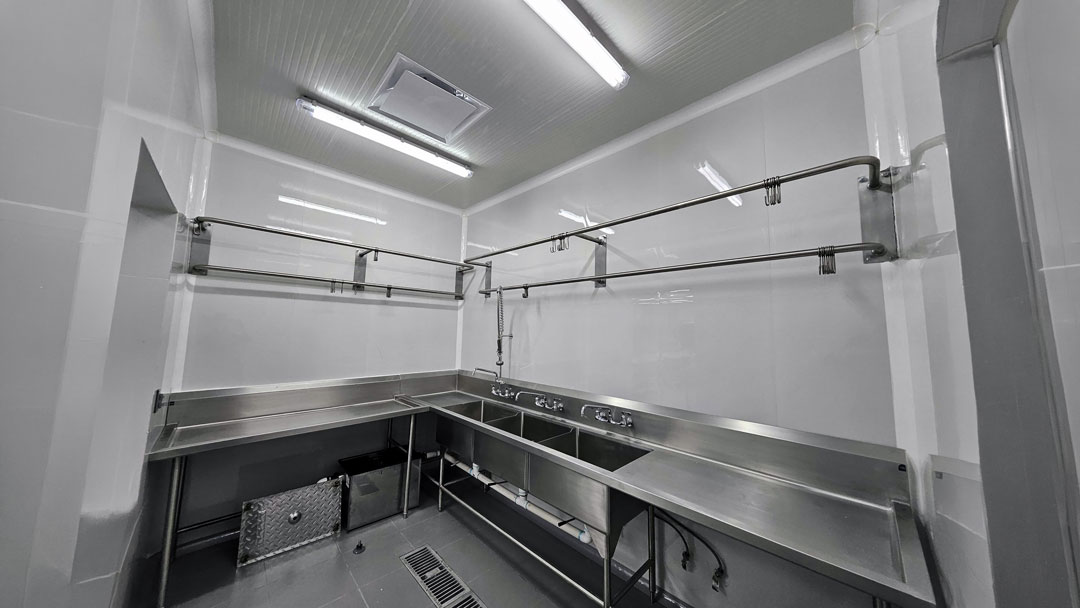
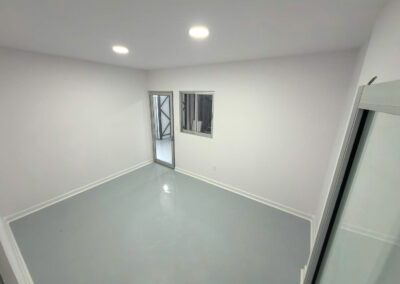
By The Panelmart Engineering Team | Fact-Checked & Updated: May 2026 If your walk-in cooler box still cools but the inside is falling apart, you don’t need a full replacement. A practical interior renovation uses FRP wall panels plus a rigid PVC sanitary…
Food Processing
Panelmart’s food processing cove base category brings together the building envelope and sanitary-junction resources that USDA-inspected plants need. Whether you operate a meat, poultry, dairy, or ready-to-eat facility, the articles below cover both insulated metal panel construction and food processing sanitary base systems. Together they form the complete walls-and-junctures solution.
Why Food Processing Plants Have Stricter Requirements
Food processing plants face daily industrial washdowns, USDA FSIS sanitation audits, and HACCP critical control point reviews. Therefore, surfaces that survive a commercial kitchen often fail in a meat processing facility flooring environment. High-pressure water, caustic detergents, and constant temperature swings break down adhesive-mounted baseboards within months. Consequently, plant engineers specify mechanically fastened, non-porous surfaces from floor to ceiling. The articles below cover three layers of the building envelope. They include insulated metal panel walls, the floor-to-wall juncture, and the long-term cost trade-offs each material brings. For a foundational primer, read our overview of rigid PVC sanitary cove base systems.
The Complete Walls-and-Junctures System
A food processing build-out is rarely just about the cove base. It’s about how the wall panel, the floor, and the juncture between them perform as a single washdown compliant cove base system. Furthermore, contractors increasingly look for components that ship pre-finished and install fast — labor shortage in skilled construction trades has made every billable hour expensive. CoRound’s mechanically fastened rigid PVC profile satisfies USDA compliant coving requirements while integrating cleanly with Globe Panels insulated metal panels. Our deep-dive on industrial washdown survivability documents how the system performs under real food processing conditions. For the wall side of the equation, our installation guide for symmetrical insulated metal panels covers crane logistics, orientation rules, and site waste reduction. In addition, our analysis of IMP price per square foot versus total installed cost reframes how plant operators evaluate panel quotes.
- Withstands standard hot water washdowns and frequent commercial cleaning routines without seal failure
- USDA FSIS sanitation-friendly: continuous, easily cleanable, no porous joints or bacterial harborage points
- Mechanically fastened — no adhesive meltdown under industrial washdown conditions
- Curved 4-inch profile that exceeds the FDA Food Code 3/8-inch minimum radius requirement
- Integrates with Globe Panels insulated metal panels for a single-source walls-and-junctures system
Explore the articles below for technical guides on USDA compliance, IMP installation, and total cost of ownership. Or contact Panelmart for a project-specific spec. WhatsApp: +1 786 917 8106.
Stop Waiting on Epoxy: How Mechanically Fastened Cove Base Speeds Up Your Construction Schedule
By The Panelmart Engineering Team | Fact-Checked & Updated: April 2026 How Long Does Cove Base Installation Take in a Commercial Kitchen Build-out? Quick Answer: Epoxy cove base curing time ranges from 12 to 72 hours and locks other trades out of the room during…
How to Install IMPs Faster: The Contractor’s Guide to Symmetrical Panels
By The Panelmart Engineering Team | Fact-Checked & Updated: April 2026 How Do I Get Faster at Installing Insulated Metal Panels? Quick Answer: The secret to learning how to install IMPs faster is switching to symmetrical IMPs like GlobeWall panels by Globe Panels…
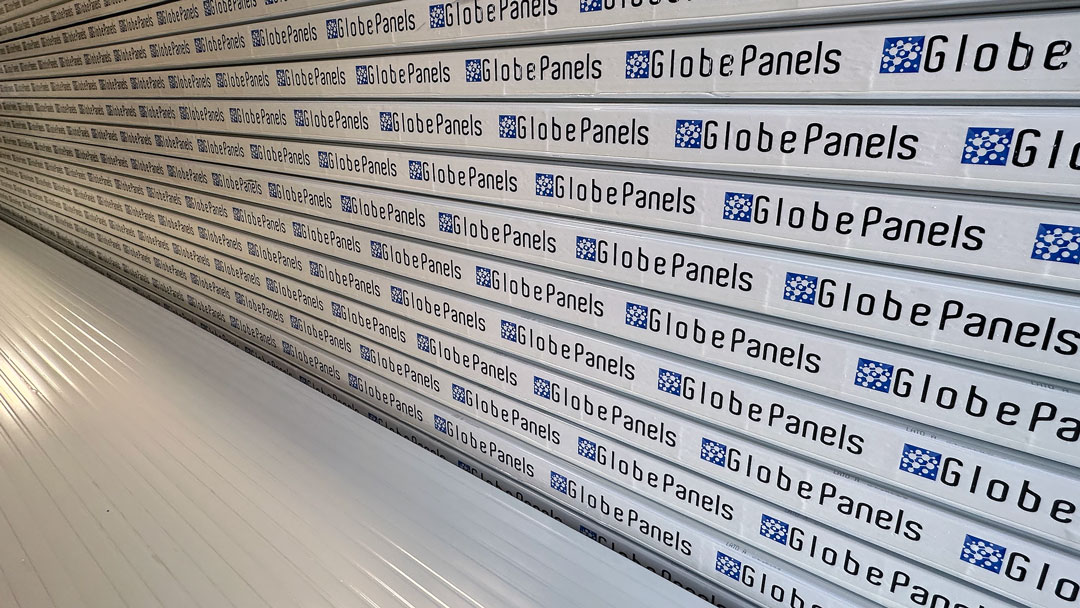
The True Cost of Installation: IMP Price per Sq Ft vs. Total Installed Cost.
By The Panelmart Engineering Team | Fact-Checked & Updated: April 2026 What Does IMP Price per Square Foot Actually Include? Quick Answer: The “IMP price per sq ft” only accounts for the raw material. The total installed cost includes labor, crane…
Symmetrical Insulated Panels: Why Reversible Faces Eliminate Site Waste and Mistakes
By The Panelmart Engineering Team | Fact-Checked & Updated: April 2026 What Are Symmetrical Insulated Panels and What Are the Benefits? Quick Answer: Symmetrical insulated panels feature the exact same ribbing and profile on both sides, making them completely…
Labor Shortage in Construction: How Easy-to-Install IMPs Save Your Profit Margins
By The Panelmart Engineering Team | Fact-Checked & Updated: April 2026 How Can Insulated Metal Panels Help Reduce Installation Time and Overall Construction Costs? Quick Answer: To overcome the construction labor shortage, builders are switching to contractor…
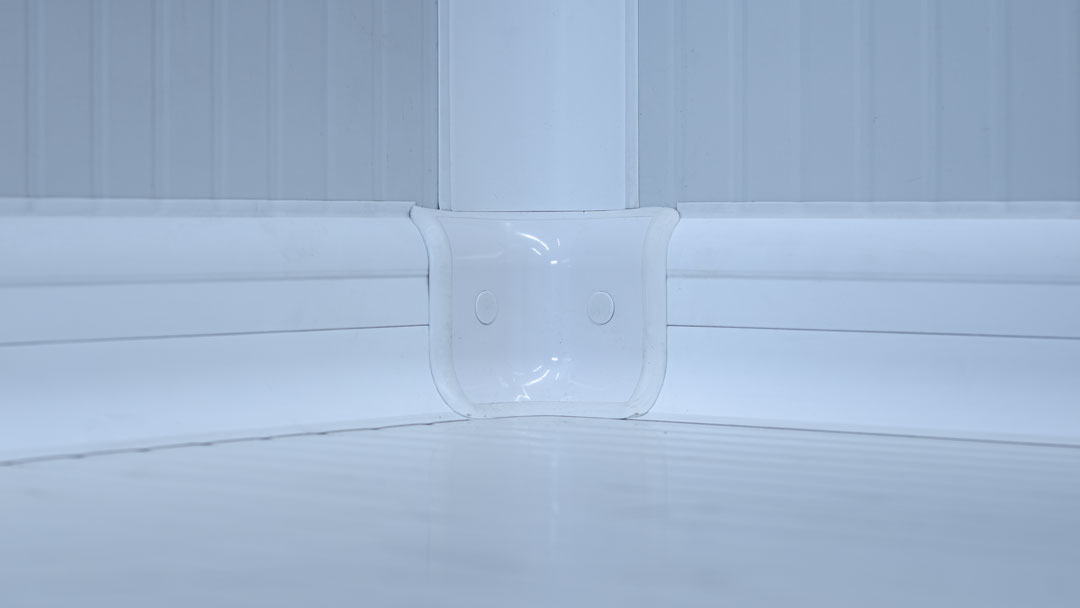
Stop Cutting Corners: How Pre-Formed PVC Coving Slashes Installation Labor Costs on FRP Walls
By The Panelmart Engineering Team | Fact-Checked & Updated: April 2026 How to Slash Cove Base Installation Labor Costs? Quick Answer: General Contractors can drastically reduce cove base installation labor costs by eliminating manual fabrication. Making mitre cut…
Rigid PVC vs Stainless Steel Baseboard Trim: The Smarter Choice for Commercial Kitchen Wall Protection
By The Panelmart Engineering Team | Fact-Checked & Updated: April 2026 What is The Difference Between Stainless Steel Baseboard Trim And PVC Sanitary Cove Base? Quick Answer: Although a stainless steel baseboard trim offers excellent heat resistance, it is…
Rigid PVC vs. Resin Floor Coving: How to Survive Building Settlement and Vibration
By The Panelmart Engineering Team | Fact-Checked & Updated: April 2026 Why is My Epoxy Cove Base Cracking Along The Floor-To-Wall Juncture? Quick Answer: While advanced urethane cement coving can handle thermal shock, all troweled resin floor coving is highly…
The Hidden Price of “Cheap” Coving: Total Cost of Ownership vs. Initial Installation Price
By The Panelmart Engineering Team | Fact-Checked & Updated: April 2026 Why Durable PVC Sanitary Cove Base Wins on Total Cost of Ownership? Quick Answer: The total cost of ownership for commercial coving is often 3x higher than the initial purchase price when using…