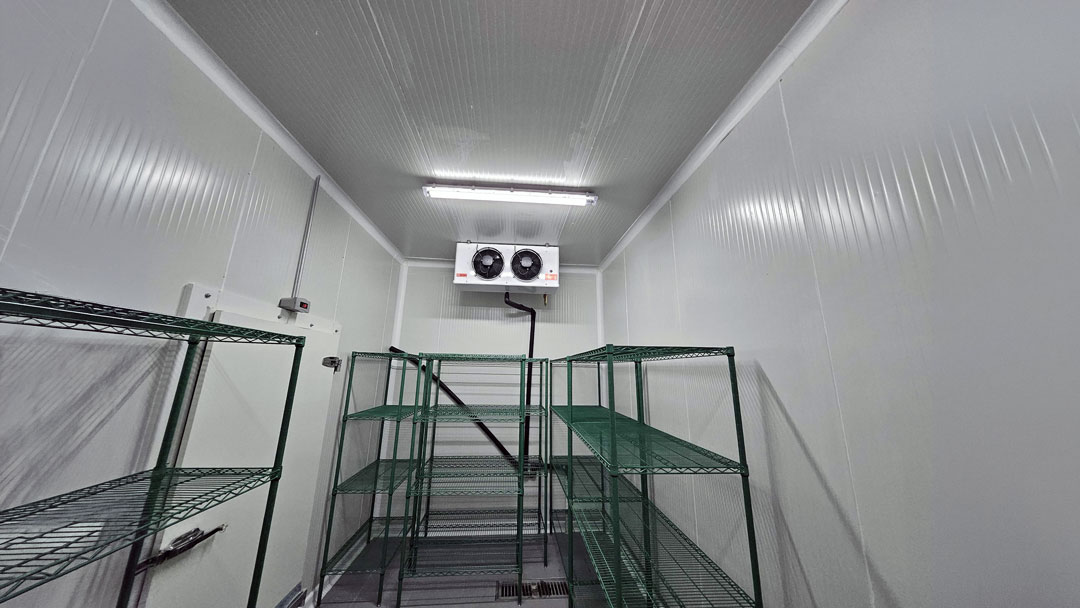
Walk-in cooler renovation with a rigid PVC cove base: it installs on the finished floor, with no sealant line required along the wall. Get a quote.
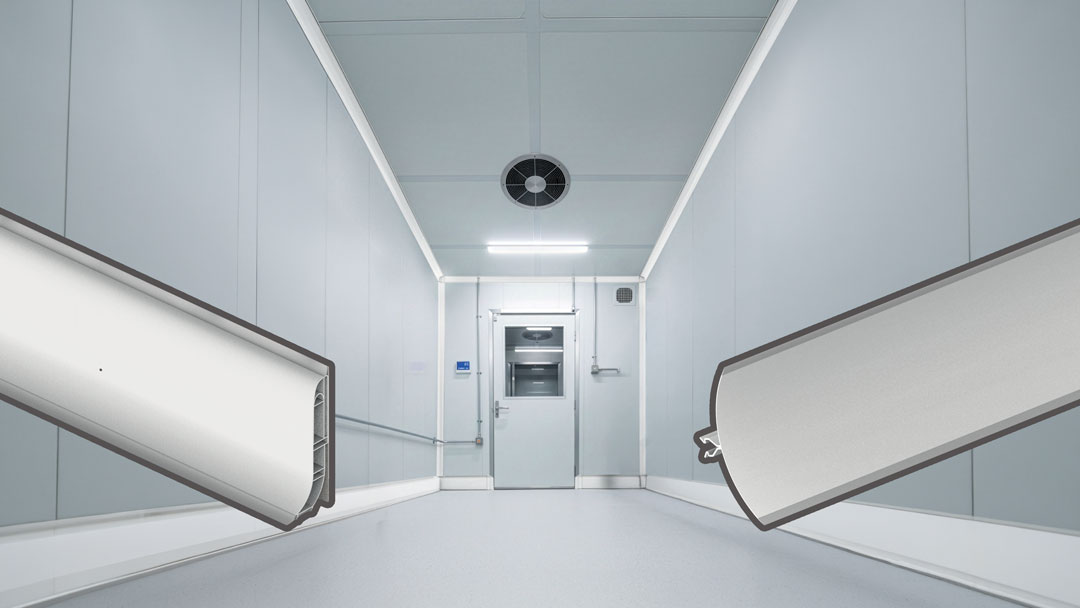

The rounded profile removes the square corner where dirt builds up, and the smooth, non-porous surface is easy to clean. With CoRound™ walk-in cooler coving, three things change on the job site. No sealant line required along the wall. Pre-formed corners, no silicone-filled field cuts. No resin or cement to cure. At the door, a PVC cove base also works as a thermal break.
Walk-in coolers, freezers and other cold storage rooms: the cove base, the base track under the panels and the door. Start here:
PVC conducts far less heat than metal. At doors, where warm air comes in, a metal cove base acts as a thermal bridge: it carries the cold right to the edge of the opening, where condensation and ice tend to form. A PVC cove base works as a thermal break: much less condensation and ice at the door.
Operating temperature: −4 °F to +140 °F. For colder applications, contact us.
Need profiles for a project? Get a quote, specs or free samples. Our technical team usually responds within one business day.
Walk-in cooler renovation with a rigid PVC cove base: it installs on the finished floor, with no sealant line required along the wall. Get a quote.
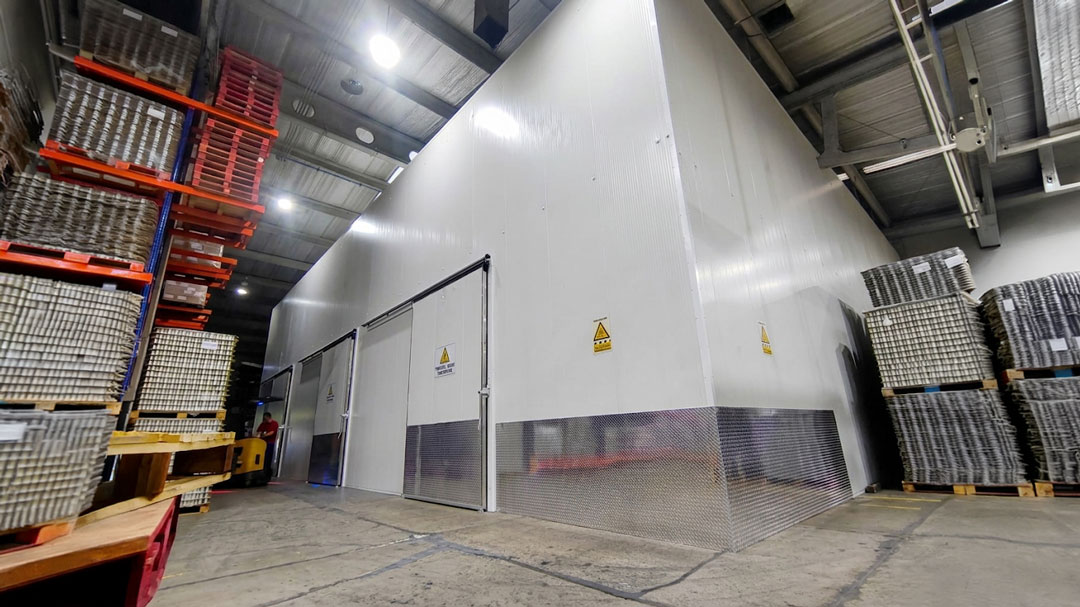
By The Panelmart Engineering Team | Fact-Checked & Updated: April 2026 How Do I Get Faster at Installing Insulated Metal Panels? Quick Answer: The secret to learning how to install IMPs faster is switching to symmetrical IMPs like GlobeWall panels by Globe Panels…
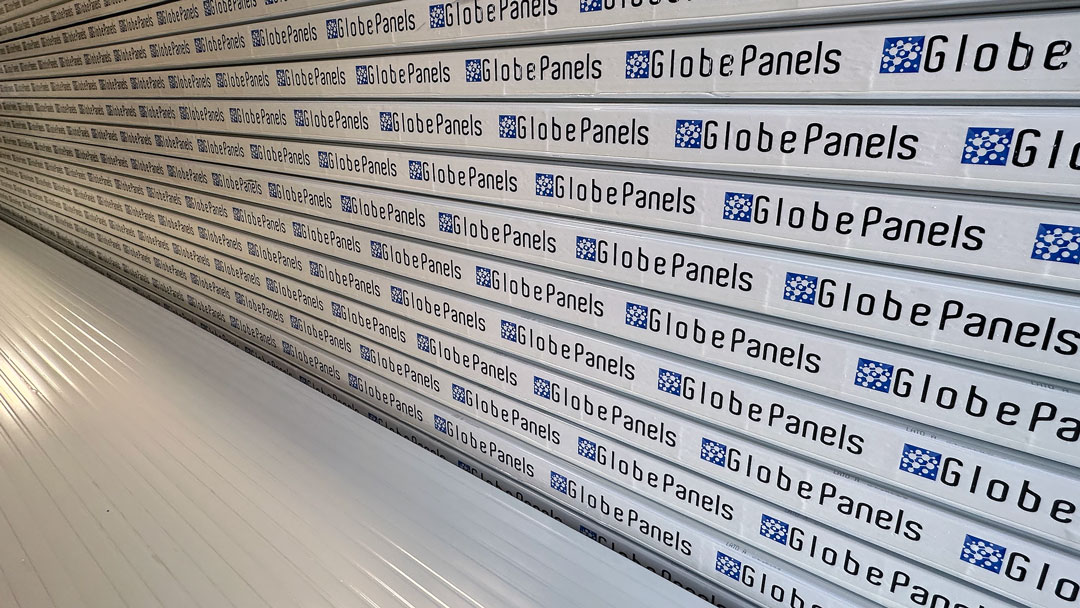
Total installed cost of a panel job: labor, equipment, waste and the cove base. GlobeWall panels and CoRound profiles from one supplier.
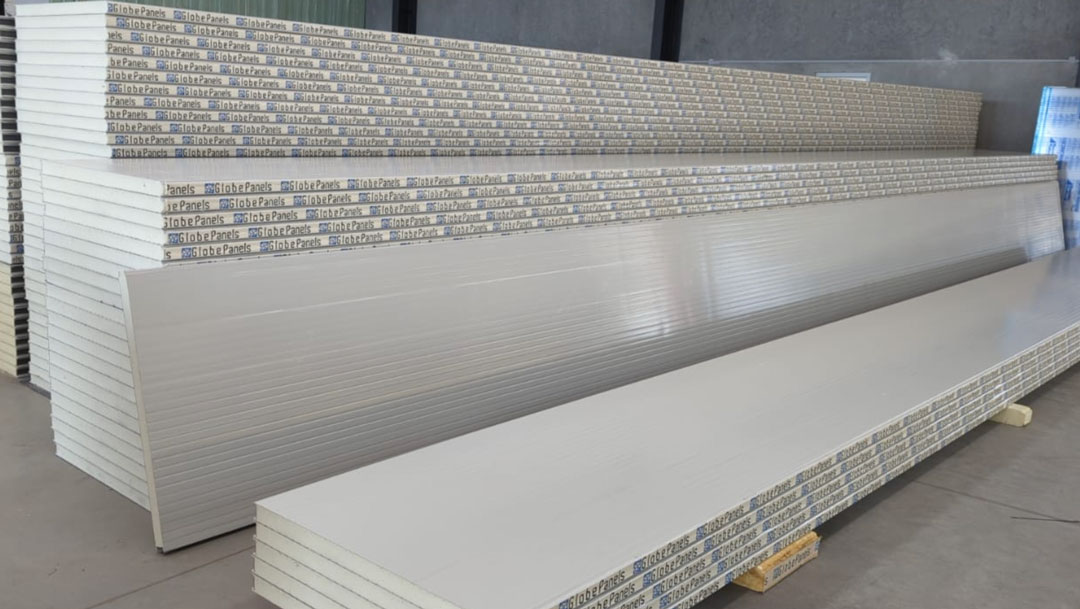
Symmetrical insulated panels. GlobeWall panels are symmetrical and reversible: either face can go toward the room, and off-cuts can be flipped and reused.
By The Panelmart Engineering Team | Fact-Checked & Updated: April 2026 How Can Insulated Metal Panels Help Reduce Installation Time and Overall Construction Costs? Quick Answer: To overcome the construction labor shortage, builders are switching to contractor…
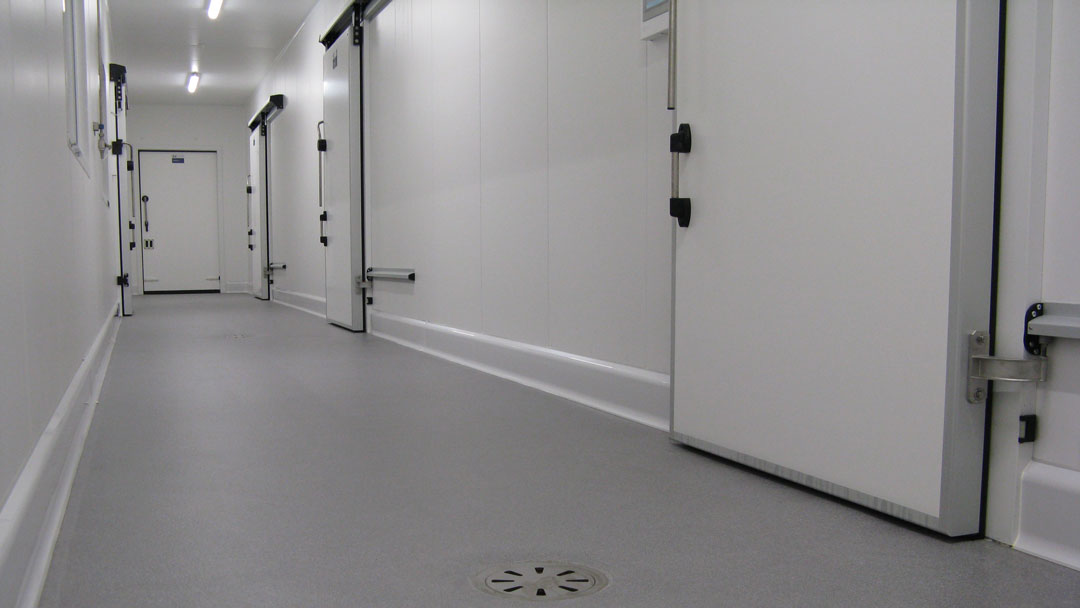
Cold storage cove base for walk-in coolers: no sealant line required along the wall, pre-formed corners and a thermal break at the door. Get a quote.