By The Panelmart Engineering Team | Fact-Checked & Updated: April 2026 What “Easily Cleanable Junctures” Really Means for Commercial Floors and Walls Quick Answer: When health inspectors mandate easily cleanable junctures, they require floor-to-wall…
Commercial Kitchens
Panelmart’s commercial kitchen cove base category brings together what foodservice contractors and facility managers need. These guides help you specify, install, and maintain rigid PVC cove base for kitchens that pass health inspections. From FDA Food Code 6-201.13 compliance to FRP wall integration, the articles tackle real-world problems that derail kitchen build-outs and renovations.
Compliance That Passes Health Inspections
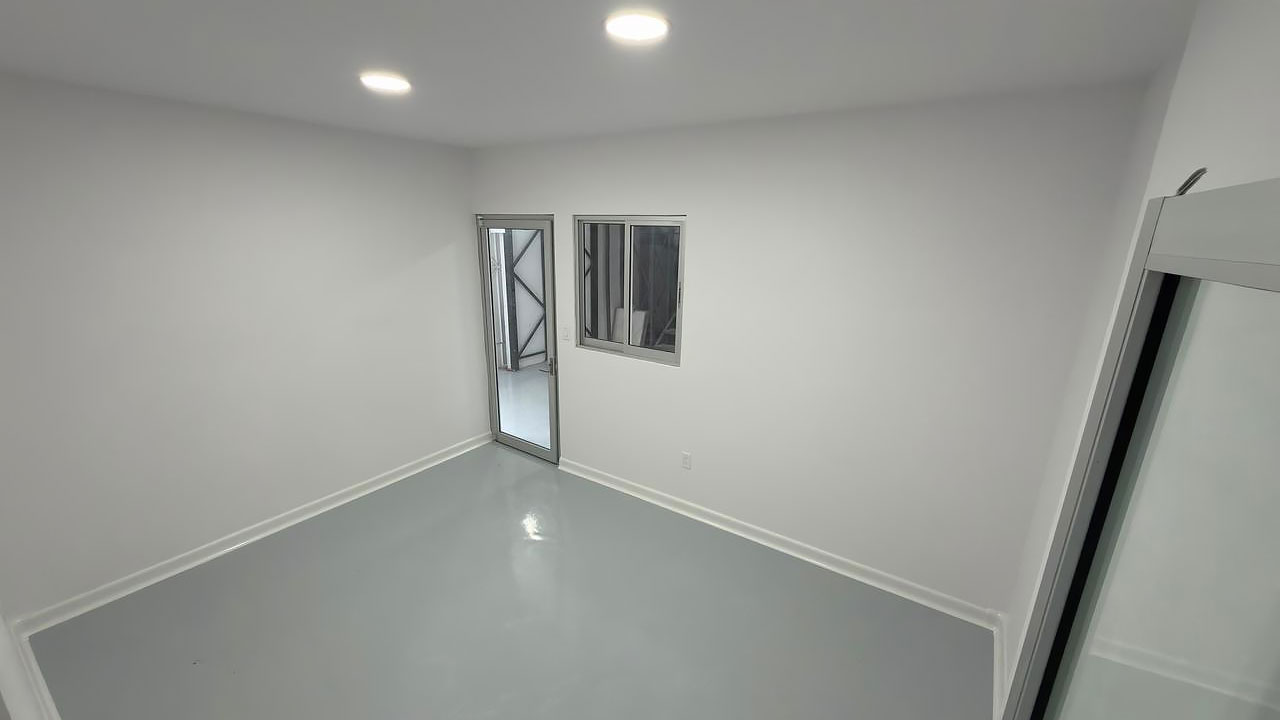
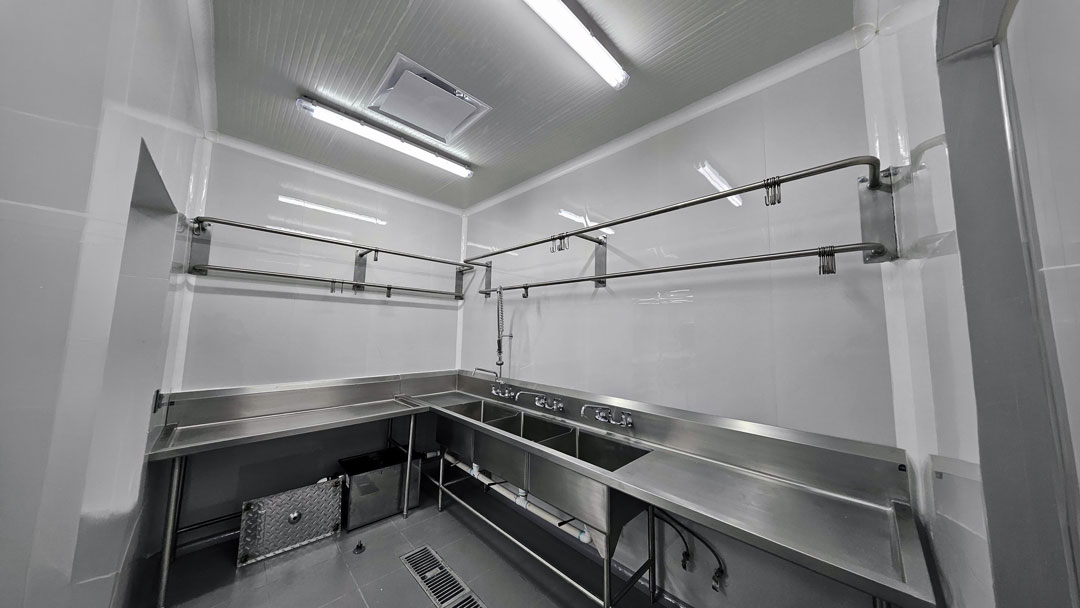
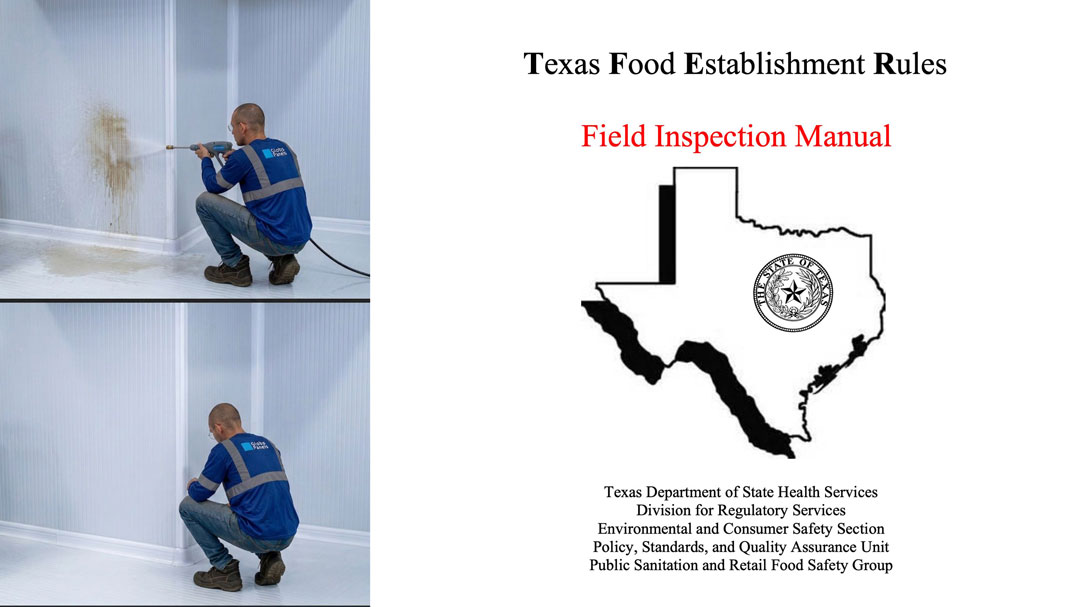
Commercial kitchen health inspectors verify that floor-to-wall junctures form a continuous, easily cleanable surface. Therefore, every FDA compliant kitchen cove base must meet the FDA Food Code 3/8-inch minimum radius requirement. It must also integrate cleanly with FRP wall panels and resilient flooring. Furthermore, state codes add complexity. California’s CalCode, Texas TFER §228.173, and Florida DBPR each impose distinct geometry rules. These often catch contractors off guard. The articles below cover three layers. They include the federal baseline, the state-by-state variations, and key inspection checkpoints. For a foundational overview, read our primer on rigid PVC sanitary cove base systems. For the federal regulation itself, our breakdown of FDA Food Code 6-201.13 explains the rule. It anchors every state code.
Why Rigid PVC Outperforms Legacy Materials
Foodservice contractors have spent decades fighting peeling rubber baseboard, cracked epoxy cove, and grout-lined quarry tile. These materials trap grease and bacteria. Consequently, repeat callbacks and warranty failures cut deep into kitchen build-out margins. Re-installations also interrupt operating revenue for restaurants and ghost kitchens. CoRound’s mechanically fastened foodservice sanitary base eliminates these failure modes. As a result, standard hot water washdowns and frequent commercial cleaning routines no longer threaten the floor-to-wall seal. In addition, the snap-on profile family scales from straight runs to internal and external corners. It needs no silicone or glue. Whether you specify restaurant kitchen coving for a national chain rollout or a single ghost kitchen build-out, the system adapts. Read the full system overview for a side-by-side look. It covers how the CoRound profile family solves each legacy material’s weak point.
- Mechanically fastened — no glue cure time, no silicone failure points, no warranty callbacks
- Curved 4-inch profile that exceeds the FDA Food Code 3/8-inch minimum radius requirement
- Snap-on cover strip allows concealed fixings and a sealant-free finish
- Compatible with FRP wall panels, resilient flooring, and existing food prep layouts
- Withstands daily commercial wear and resists utility carts and mop buckets
Explore the articles below for technical deep-dives on FDA, USDA, and state code compliance. Or contact Panelmart for a project-specific spec. WhatsApp: +1 786 917 8106.
FDA Food Code 6-201.13 Explained: The Universal Rule for Coved Floor & Wall Junctures
By The Panelmart Engineering Team | Fact-Checked & Updated: April 2026 What Does FDA Food Code 6-201.13 Require For Floor-to-Wall Junctures in Food Facilities? Quick Answer: FDA Food Code 6-201.13 requires every commercial food facility in the United States to…
CalCode Cove Base Requirements: How to Guarantee Compliance on FRP Wall Panels in California
By The Panelmart Engineering Team | Fact-Checked & Updated: April 2026 What Are The Cove Base Requirements Under California Retail Food Code Section 114268? Quick Answer: California Retail Food Code Section 114268 mandates a minimum 3/8-inch radius at every…
NSF Certification vs. FDA Compliance: What Your Local Health Inspector Actually Cares About
By The Panelmart Engineering Team | Fact-Checked & Updated: April 2026 Do Sanitary Baseboards Need to Be NSF Certified for a Health Inspection? Quick Answer: NSF certified baseboards do not exist as a legal requirement. NSF International is a private organization…
How to Pass Florida DBPR Plan Review: The Ultimate Guide to Sanitary Coving
By The Panelmart Engineering Team | Fact-Checked & Updated: April 2026 What Does Florida DBPR Require for Floor-to-Wall Junctures in Food Facilities? Quick Answer: To pass a Florida DBPR plan review, food facilities must eliminate the risk of water pooling at…
Beat the Texas “1mm Gap Rule”: Why Hand-Cut Corners Fail and Pre-Formed Sanitary Corners Pass
By The Panelmart Engineering Team | Fact-Checked & Updated: April 2026 What Is the Maximum Allowable Gap at Floor-to-Wall Junctures in Texas Food Facilities? Quick Answer: Under the Texas Food Establishment Rules, floor-to-wall junctures in dry or spot-mopped…
How to Pass Texas Food Establishment Rules (§228.173) for Floor-to-Wall Junctures
By The Panelmart Engineering Team | Fact-Checked & Updated: April 2026 What Does Texas TFER Require for Floor-to-Wall Junctures in Food Facilities? Quick Answer: Under the Texas Food Establishment Rules (TFER) §228.173, food facilities utilizing “water…

Why Panelmart?
By The Panelmart Engineering Team | Fact-Checked & Updated: April 2026 What Is the Best Sanitary Cove Base for Commercial Food Facilities? Quick Answer: Facility owners and General Contractors choose a Panelmart sanitary cove base because traditional rubber…
Stop Peeling Baseboards: The Ultimate Sanitary Profile System for Commercial Kitchens
By The Panelmart Engineering Team | Fact-Checked & Updated: April 2026 Why Is My Commercial Kitchen Cove Base Peeling Away From the Wall? Quick Answer: A traditional commercial kitchen cove base made of rubber inevitably fails because daily facility cleaning…
What Is a PVC Sanitary Cove Base?
By The Panelmart Engineering Team | Fact-Checked & Updated: April 2026 What Is a PVC Sanitary Cove Base and Where Is It Used? Quick Answer: A PVC sanitary cove base is a curved profile that contractors install at the floor-to-wall junction in food processing…